The
Making
Of
The idea for Horchata's Commandos spawned not from a story or plotline, but from a real life paintball group called the Horchata Commandos. Headed by Ralph Apel and Kelly Merrell, the Commandos was mostly comprised of Disneyland custodial cast members who took on Mexican drink names, such as Tamarindo and Jamiaca, as well as other dispenser drinks (Lemon Ole and Orange Bang). Kelly Merrell took the idea a step further and, with the artistic help of Ralph Apel, created a familiar team logo for them to wear during outings and stickers to place on their vehicles.
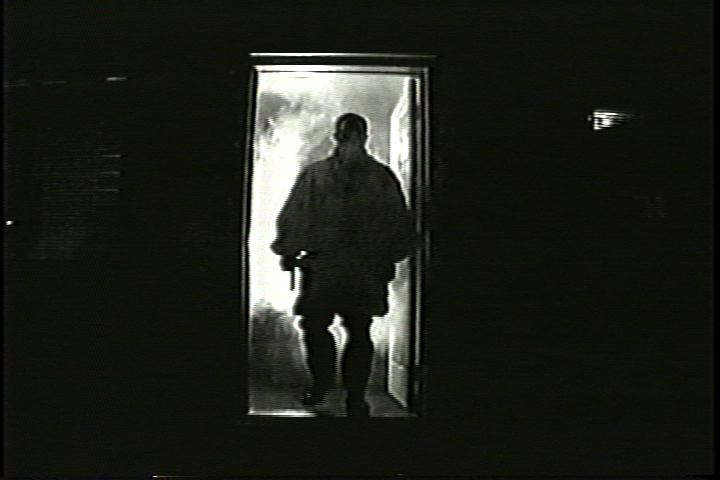 Years later, Director James Soeffner sat with other Associated members to brainstorm new ideas for movies to be put in to production. Having always been interested in the title of the paintball team, Soeffner (using Hollywood magic) transformed the name from Horchata Commandos to Horchata's Commandos. This made the first word, Horchata, in to a proper noun and gave it possession of the second word: Commandos. In a short amount of time, Soeffner managed to create a crude police story and cast its six characters. Following what has later been titled the Soeffneric Method, the cast and crew set out early on a Saturday morning and began filming the movie. Ideally, they were hoping to film in chronological order, using only one take for each shot. However, Soeffner barely had done any location scouting and did not have a set idea of how the camera angles were going to be done, the script was loose and not necessarily adhered to, and the ending of the movie wasn't completely thought out. Nobody was sure how this landmark movie would look.
An office scene shot in the morning proved to be more difficult and time consuming than originally thought. Since the cast was devoted to the original one-take concept, the morning schedule pushed forward the rest of the planned scenes and made the shoot go later in to the night than hoped for. And, reluctantly, certain shots had to be redone. In one instance, Anthony! Ardisone had difficulty exiting a van, requiring multiple takes. Many other shots had to be retaken during the driving sequences, especially when a clumsy Associated Film groupie drove his vehicle right into a scene. Line delivery eventually got sloppy and many shots were done many times over, but this made for a great out-takes bonus feature.
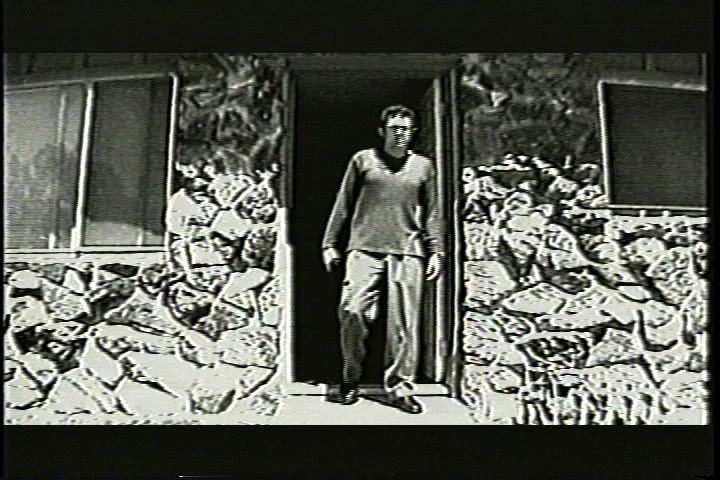 The crew started filming at around 8am. They used the office of the Tobacco Use Prevention Program, Orange County, to be used as a police station. Soeffner later added a clip of the Fullerton Police Station exterior to provide the setting. They then made their way to Placentia in a residential area for the scene of Horchata meeting the Commandos. After the scene was shot there, the story brings us to the Associated House, where the villains now reside post-prison. A few filming misshaps occurred here with the dialogue of the villains.
In post-production, Soeffner decided to reduce the overall length of the film by creating a montage of quick cuts showing the Commandos spying on the bad guys. What was dropped in this processs were dialogued scenes at The Hat Restaraunt and at a basketball court, where the Commandos think they are going to get information on their plans, but find that Cunning and Sanchéz are either only talking about food at the eatery or talking competitively during the ball game.
Still not yet defined was a solid ending for the movie. The crew agreed on shooting a raid sequence, but were unsure how the Commandos were going to justify it. The main idea was that one of the microphones set up for surveillance when the Commandos were inside the house was placed too close to the television. When the Commandos get back to the van, they hear and record a sinister plan, but it is coming from the television that's showing a crime movie. Thus the Commandos could justify their raid. However, by the time this idea was to be shot, the production schedule was already behind by several hours and the crew were showing signs of wear. Eventually, the TV eavesdrop idea, presented by Ardisone, was dropped from the storyline all together.
The father of Anthony! Ardisone, Larry Ardisone, was originally set as a featured extra in the movie. But, the already late schedule changed the plans of the frustrated director. Larry was three towns away and the director could not find a use for him until it was too late. Making use of resources readily available to him, Soeffner hired Matthew "the Ratt" Clark, who was at the house during production, to the fill the role of the Mole. This character explains the success of the mission and ties the ending together to finish with a splendid group shot. It also makes a mysterious character that we hope will be more dominant in the sequel.
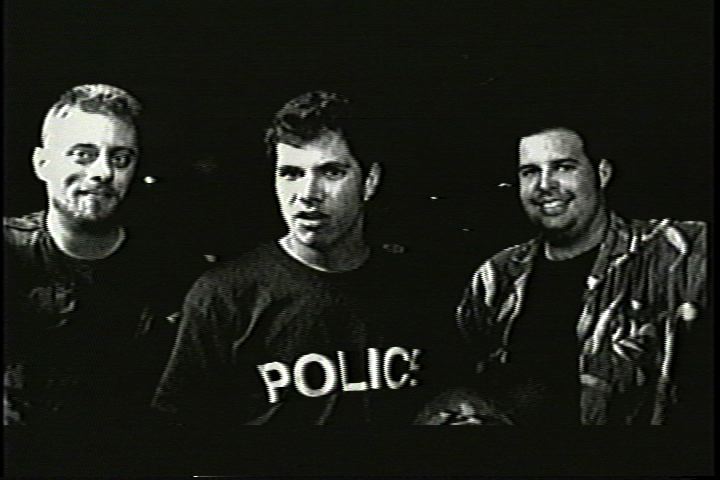 Principal photography wrapped at approximately 02:00 the following morning. With several hours of footage, James Soeffner needed to figure out what stayed and what was cut. Much of the dialogue was cut down or omitted completely. Lines such as Ardisone's "Pastrami" and Husain's "BBQ" were removed, despite their appeal and purpose. Luckily, they were retained for the outtakes bonus feature in the Titan Collector Series of home video and DVD. Dan Downing was the first to view the movie aside from the director, as he composed and mastered the musical score. Originally set for color, Soeffner changed to a black and white feel during the editing process. By doing this, he created a more stark, police video style for the film and allowed for the sequel to contrast with new, bold color which impressed the audience at the HC premiere.
Horchata's Commandos enjoyed a very successful opening the month it premiered in California. The 1st Annual Horchy Awards show immediately followed the premiere of the final product that Soeffner slaved over for months. The film swept the Horchy Awards that night and is regarded as one of the classics of Associated Film history. With memorable quotes and cinematic moments, Horchata's Commandos will be sure to win the heart of any viewer, young and old.